OTHERS
Top 5 patient feedback software for hospitals in 2026
DECEMBER 10, 2025 MANU MOHAN
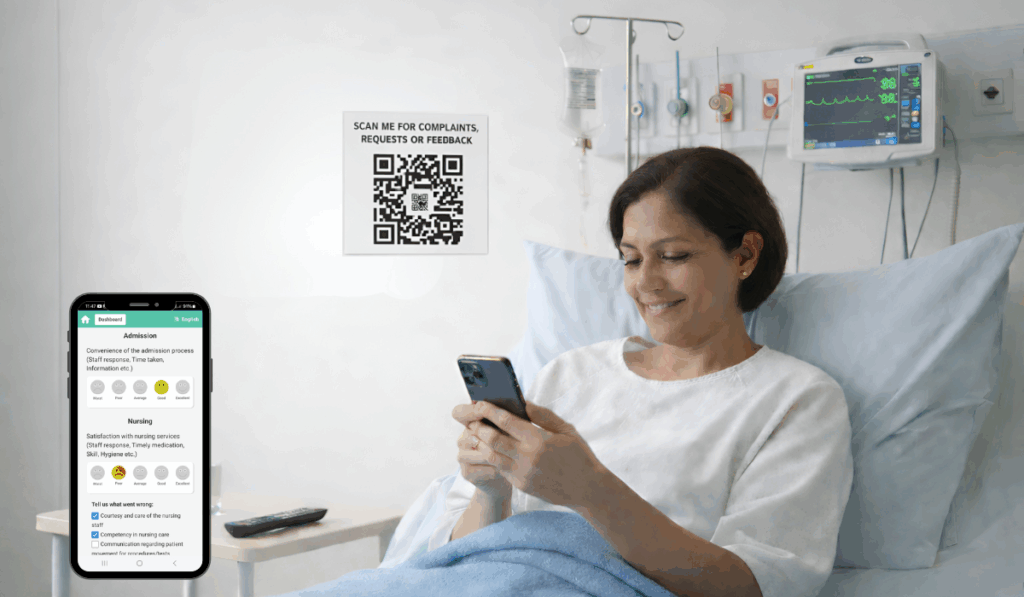
The year 2026 marks a new phase in how hospitals measure and improve patient experience. Patient feedback systems have evolved from basic surveys into intelligent, AI-powered platforms that analyze sentiment, identify experience gaps, and generate actionable insights. In today’s highly competitive healthcare landscape, patient experience has become a key differentiator, making patient feedback systems an essential tool for protecting experience quality and retaining patients.
Based on long-term research and insights from real hospital users with experience across multiple platforms, we present the top five patient feedback systems for hospitals in 2026—Zonka, Efeedor, DocEngage, HX Central, and Cempia—each shaping how healthcare organizations listen, learn, and act on patient feedback.
1. Efeedor - advanced patient experience & quality, made affordable
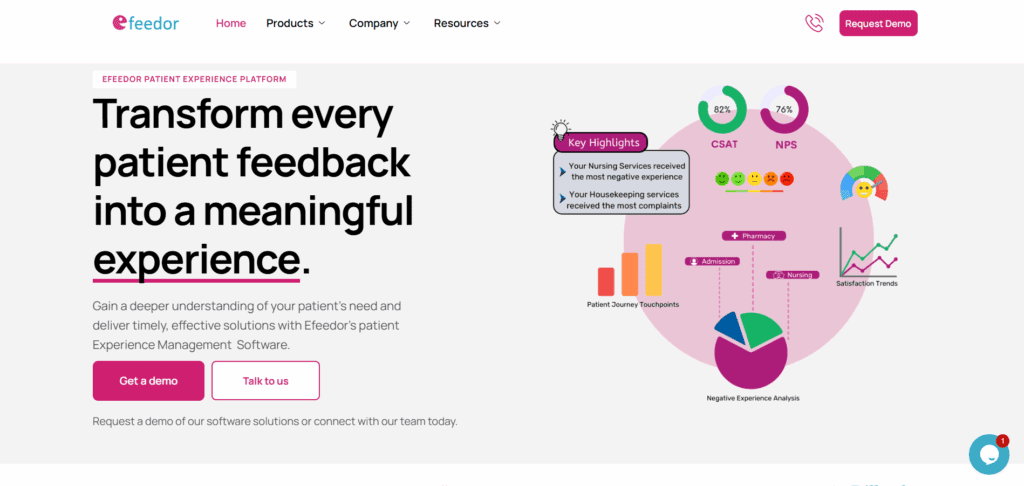
Used by hundreds of hospitals across India, Efeedor is a healthcare-focused patient feedback system trusted by hospitals of all sizes. It enables healthcare organizations to capture patient voices, improve service quality, and enhance the overall patient experience, making it a strong alternative to generic patient feedback software. Built exclusively for healthcare. Efeedor is an ISO and EGAC certified, HIPAA, GDPR, and VAPT-compliant platform.
Ensuring high standards of patient data security and regulatory compliance. The solution aligns with NABH and JCI accreditation requirements, helping hospitals stay audit-ready while driving continuous quality and patient experience improvement. It supports multi-channel, multi-language patient feedback collection through SMS and WhatsApp links, mobile apps, and QR codes, using a simple and intuitive interface.
Its Patient Concierge System add-on allows inpatients to raise concerns and service requests directly from their rooms, enabling hospitals to resolve issues during the hospital stay itself. AI-driven insights, department-level analytics, Patient Satisfaction and Net Promoter Score tracking, and role-based dashboards help hospital leadership make data-driven decisions and consistently improve the healthcare experience.
2. Zonka feedback– smart, simple, and scalable feedback management
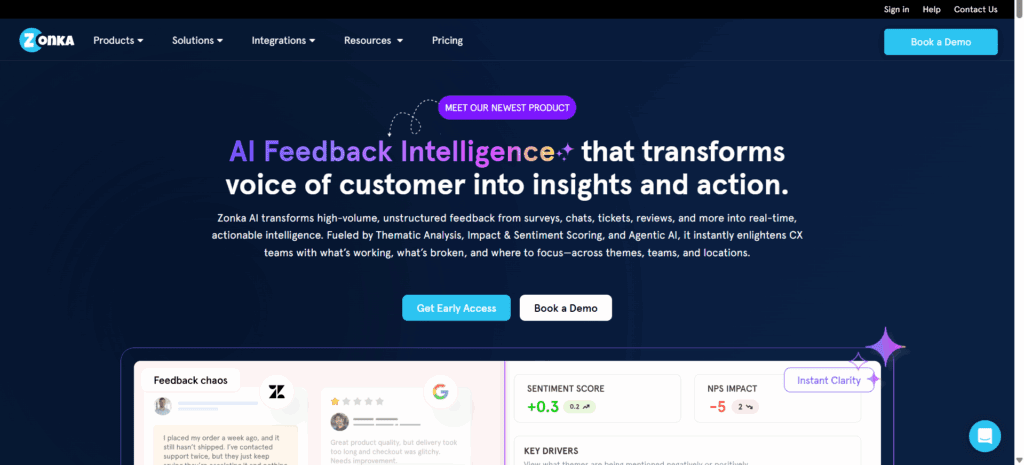
Zonka Feedback is one of the older and well-known players in the customer feedback space and is used by multiple organizations across different industries. Its long presence in the market and wide adoption make it a familiar choice for institutions looking for a general-purpose feedback and survey solution. One of Zonka’s key strengths is its flexibility in creating feedback forms. However, it remains a largely generic feedback tool.
The platform offers customizable survey templates and multiple feedback collection channels, making it suitable for organizations that need adaptable survey workflows. However, Zonka is designed as a multi-industry feedback platform, catering to sectors such as retail, hospitality, education, and services in addition to healthcare.
Because of this broad industry focus, Zonka’s analytics and reporting remain relatively generic when applied to hospital environments. It lacks deeper department-level patient experience analysis and does not natively align with hospital quality workflows, accreditation requirements, or existing healthcare quality tools. As a result, while Zonka works well as a flexible survey tool, hospitals with advanced patient experience, compliance, and quality improvement needs may find its healthcare-specific capabilities limited.
3. HX Central – purpose-built for hospital experience and quality teams
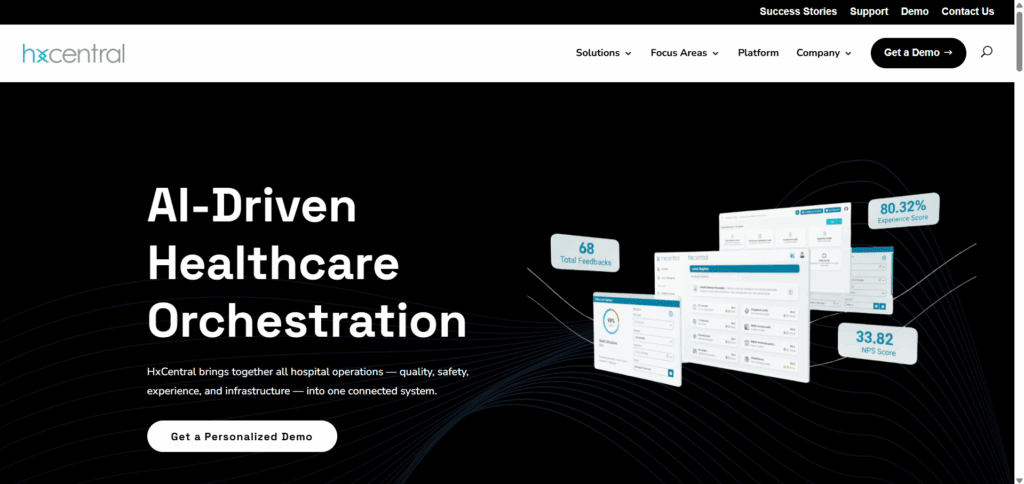
HXcentral is a technology platform that originated from service desk and enterprise workflow management, with patient experience evolving as a later extension rather than its core offering. While the platform has introduced a healthcare experience suite, patient feedback and experience management are not its primary product focus, with greater emphasis placed on internal workflows and operational ticketing systems.
HXcentral’s strength lies in its structured workflows, ticketing, and issue management capabilities, which translate well into service request handling within hospital environments. Through its healthcare experience suite, the platform attempts to address multiple operational areas, offering hospitals a centralized approach to manage service-related interactions and internal processes. However, from a patient experience perspective, HXcentral offers limited depth.
The solution is not built with patients as the primary user, making it difficult to directly map feedback data to Patient Satisfaction Scores or Net Promoter Score. Advanced capabilities such as department-level patient experience analysis, trend insights, and accreditation-aligned reports are minimal. Additionally, HXcentral’s enterprise-focused pricing model makes it more suitable for large hospitals, while remaining less accessible for many Indian hospitals that need cost-effective patient experience solutions alongside their core hospital management systems.
4. Cempia – a smart platform to measure, manage, and improve patient experiences
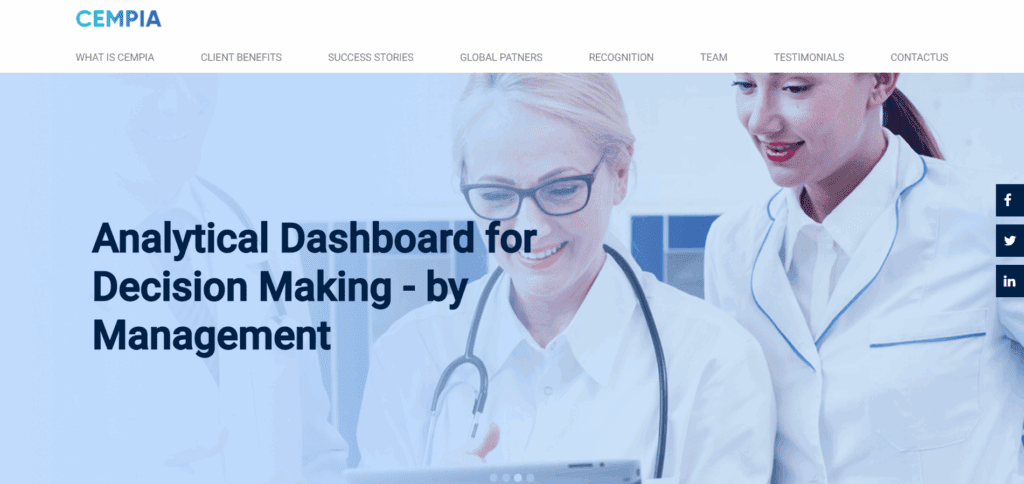
Cempia was one of the early patient experience and feedback platforms in healthcare, offering a multi-channel, multi-lingual solution to capture patient feedback, suggestions, and complaints at various touch points in the hospital. Its platform helps make feedback collection more systematic and supports digital engagement through tablets, kiosks, SMS, and other channels, helping hospitals standardize feedback collection.
However, over the last few years, Cempia’s growth in the Indian market has been modest, with adoption more notable in larger or multiple hospital setups. Some users find the user interface relatively traditional or complex compared with newer platforms, which can impact usability and patient participation. Additionally, while Cempia aims to understand patient experience across care touchpoints, its deeper analytics, benchmarking, and hospital-specific insights remain limited compared with more modern patient experience systems.
Because the product was not continuously modernized with emerging trends in healthcare patient experience, hospitals focused on advanced analytics, department-level insights, or connected quality workflows may find its capabilities less aligned with current needs.
Final thoughts
From our interactions with hundreds of hospitals across India—working closely with hospital owners, quality leaders, and operations teams—it is clear that capturing patient feedback and managing in-stay complaints has become a basic necessity. Patient experience, quality, and safety are no longer optional initiatives; they are essential to retaining patients, sustaining trust, and running hospital operations smoothly in a highly competitive healthcare landscape.
At the same time, Indian hospitals are increasingly mindful that heavy investments in complex software do not always translate into better outcomes. What hospitals truly need are simple, affordable, and risk-free digital solutions that can be implemented easily and adopted gradually. The ability to build processes one department at a time, without disrupting existing workflows or overburdening teams, has become a key expectation from healthcare technology.
This understanding is central to Efeedor’s approach. Our vision is to offer a holistic healthcare experience and quality management software suite that enables hospitals to manage patient experience, quality, patient safety, and operational excellence from a single platform. With a modular adoption model, hospitals can start small, digitize quality processes with minimal resources, steadily improve efficiency, and confidently align with accreditation standards such as NABH and JCI—making digital transformation both practical and sustainable.

Manu Mohan
Founder & CEO, Efeedor | Making Healthcare Experiences Safer, Simpler & More Human
Search
Categories
Recent posts